
Residential · Emergency
When the storm gets there first.
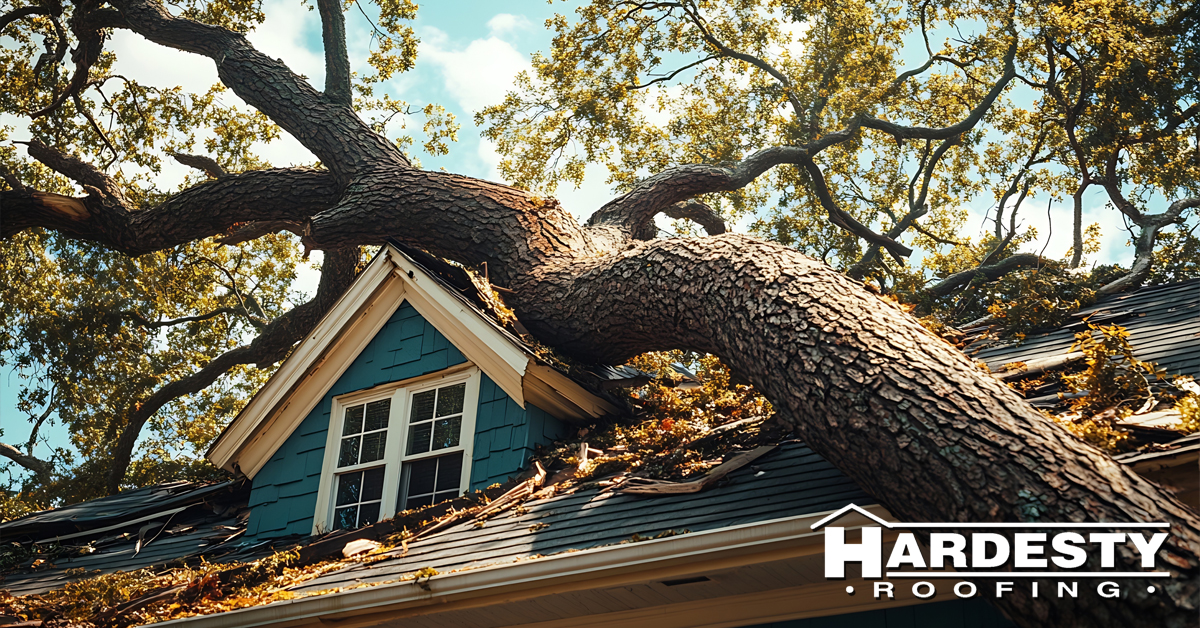
Wind, hail, or a tree through the ridge, call us before you call anyone else. We stop the water, then we document everything.
What happens
Stop the water. Save the evidence.
1. Make it safe
We assess what's stable and what isn't before anyone, including you, goes near the damage.
2. Tarp & dry-in
Emergency tarping and dry-in to stop active water intrusion and keep a bad day from becoming a bad month.
3. Document everything
Photos of every impact point and water path, so your insurance conversation starts with evidence instead of memory.
4. Scope the real fix
A written scope for the permanent repair or replacement, explained in plain English before anything is signed.
Insurance
Evidence first. Adjuster second.
Storm claims go better when the damage is documented before it's disturbed. We photograph everything during the dry-in, keep the record organized by date, and can walk the roof with your adjuster so the scope reflects what's actually up there.
Residential services
More ways we keep homes weathertight.
Roof Replacement
A complete GAF roof system, deck inspection, underlayment, ventilation, flashing, and shingles, not just new shingles over old problems.
Learn moreRoof Repair
Leaks, flashing failures, wind-lifted shingles, nail pops. If a repair is the right answer, that's what we'll tell you.
Learn moreMetal Roofing
Standing-seam and metal shingle systems for homeowners who want the last roof they'll ever buy.
Learn moreRoof Restoration
Soft-wash cleaning and targeted restoration that adds years to a structurally sound roof.
Learn moreQuick answer
Hardesty Roofing handles storm damage and emergency roof response across Central Virginia, including tarping, emergency dry in, and documented damage assessment after wind, hail or a fallen limb. We photograph and document everything for your insurance adjuster. Class A licensed, GAF Master Elite Certified, roofing from Midlothian since 1990. Call 804-523-9955.
First things first
Stop the water, then deal with the roof.
Emergency work happens in two stages and confusing them costs people money. The first stage is stopping water entering the building: tarping, emergency dry in, clearing what came down. That is not the repair, it is the thing that stops the damage growing while the rest gets sorted out.
The second stage is the actual assessment and repair, and if insurance is involved it needs to happen in the right order. Documentation created before anything is cleaned up is worth far more to an adjuster than a description afterwards. Photograph before you tidy.
- Dry in
Tarping and emergency dry in to stop water entering while the claim and the repair are worked out.
- Documentation
Photographs of the damage as found, which is what an adjuster needs and what is hardest to recreate later.
- Assessment
A full inspection of the roof, not only the obvious damage, because wind rarely lifts just one shingle.
What it costs
Storm work and who pays for it.
Emergency response and storm repair frequently run through insurance rather than out of pocket, which changes the conversation. We do not price storm damage before seeing it, and where a claim is likely the useful first step is documentation rather than an estimate.
We will give you an honest read on whether we think a claim will succeed. Filing one that gets denied is not free, and we would rather tell you that up front than after.
- Extent of damage
Wind rarely damages one slope in isolation. The full inspection often finds more than the obvious.
- Emergency work needed
Tarping and dry in are separate from the repair itself and are usually needed immediately.
- Insurance involvement
A covered claim changes what you pay rather than what the work costs. Your deductible and policy terms drive that.
- Interior damage
Water that reached drywall, insulation or framing brings other trades into the job.
What to expect
What happens after a storm.
Free inspection
We get out, stop water entering if it still is, and inspect the whole roof rather than only the visible damage. Everything is photographed as found, before anything is moved or cleaned up.
Written estimate
You get a written estimate with the options laid out and no vague line items. We explain the tradeoffs and give you our honest recommendation, including when the cheaper option is the right one.
Scheduled work
We schedule around you and show up when we said we would. Crews protect landscaping and vehicles, and magnet-sweep for nails at the end of every working day, not just the last one.
Final walk and paperwork
We walk the finished job with you, answer anything still open, and hand over the warranty documentation. Manufacturer coverage gets registered at closeout, because it is not real until it is registered.
Warranty
Two promises, and they are not the same promise.
A roof carries two separate warranties and they cover different things. The manufacturer warrants the material against defects. Hardesty warrants the installation. A factory shingle warranty does not cover the crew that put it on, and installation is where most roofs actually fail.
So we keep the two separate and tell you both terms before you sign, rather than folding them into one number that sounds bigger than it is.
- 5 yrs
Hardesty's own workmanship warranty on labor. If our installation fails, we come back and fix it.
- Varies
Material coverage is set by the manufacturer and differs by product. Lifetime limited terms are available on qualifying architectural shingle systems from GAF, CertainTeed, Owens Corning and Tamko when the full system goes on.
- In writing
You get the term for the exact material you choose, in writing, before you sign anything.
Common questions
Storm and emergency questions.
A limb came through my roof. What do I do first?
If it is safe, get whatever you can out of the way of the water inside and call us. Do not climb up. Photograph what you can see from the ground before anything gets moved, because that documentation matters to your insurer and cannot be recreated later.
Do you tarp roofs?
Yes. Tarping and emergency dry in are the first stage of storm work, ahead of any repair or claim discussion, because the priority is stopping the damage getting worse.
Should I call my insurance company or a roofer first?
Either order works, but get the damage documented before anything is cleaned up. An adjuster assesses what they can see or what is credibly documented, and cleanup destroys evidence.
How do I know if I have hail damage? I cannot see anything.
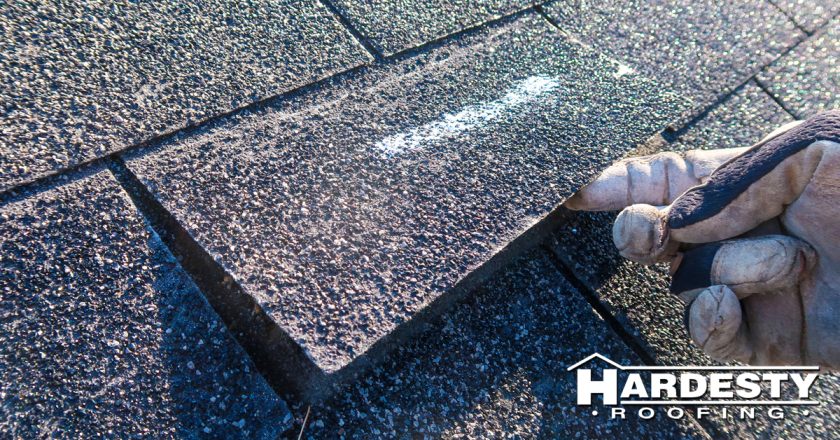
Hail damage on asphalt shingles is frequently invisible from the ground and often not obvious even from a ladder. It shows as bruising and granule loss that shortens the life of the shingle without leaking immediately. That delay is exactly why hail claims get missed until it is too late to file.
Will filing a claim raise my premium?
That is between you and your insurer and we will not pretend to know your policy. What we can tell you is whether we think the damage is genuinely claimable, so you are not filing on something marginal.
Do you work directly with adjusters?
Yes. We document the damage thoroughly and work alongside your adjuster during the assessment.
Do you charge for a storm damage inspection?
No. Storm damage assessments are free, same as any other estimate.
What if the damage turns out to be minor?
Then we tell you that, and you have not lost anything but an hour. We would rather give you an honest all clear than manufacture a reason to be on your roof.
Free Estimate
Put a Hardesty roof over it.
Storm damage right now? Skip the reading, call 804-523-9955 and we'll take it from there.
804-523-9955Prefer to talk? Call the shop directly. 14430 Sommerville Court, Suite B · Midlothian, VA 23113
Worried about the cost? We offer in-house financing. Ask and we will walk you through it.
Ask About Financing