
Resources · Insurance and storm damage
Does Homeowners Insurance Cover Roof Leaks?
Does homeowners insurance cover a roof leak? What insurers look at, the signs you have a leak, and the three factors that decide whether your policy pays. From a GAF Master Elite contractor in Central Virginia.
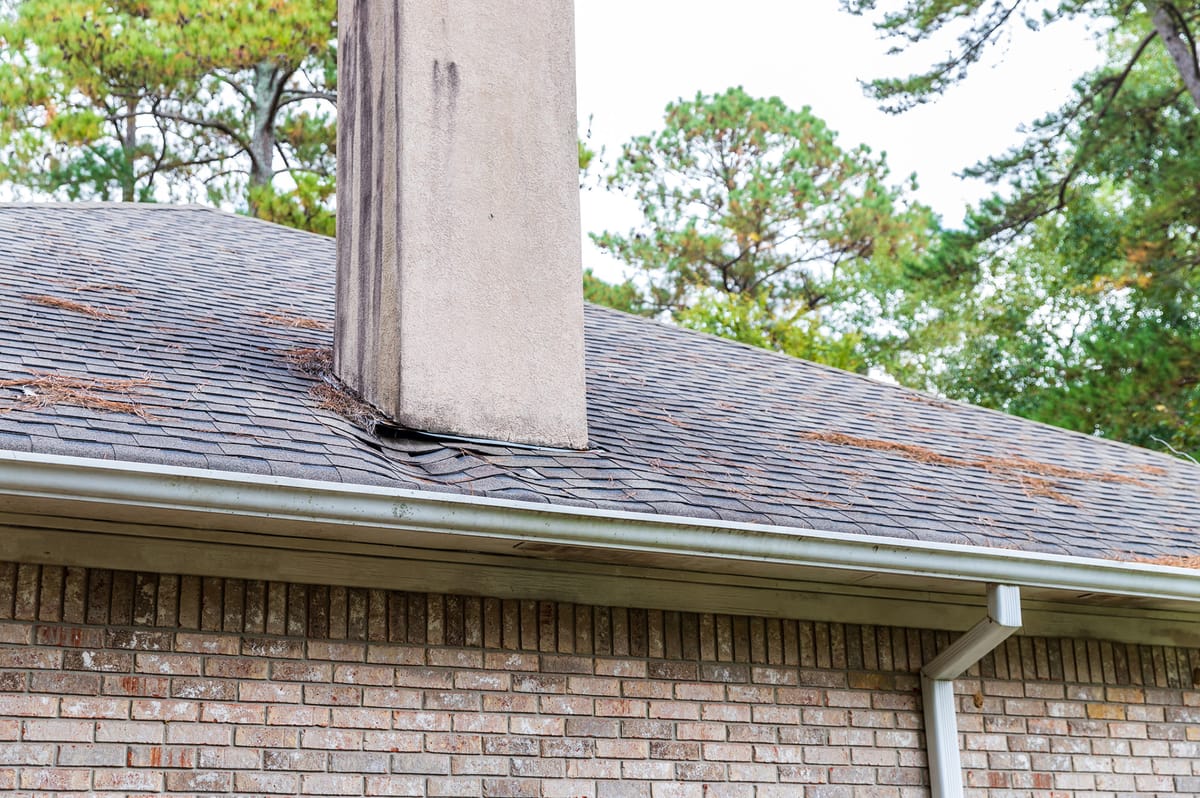
Source: GAF - If you suspect that you have a leak in your roof, acting swiftly to repair it helps avoid further damage to your home and possessions.
But: does homeowners insurance cover roof leaks and potentially remove some of the financial worries you may have? Below are the steps to take to protect your roof and your finances in the event of a leak.
Signs You May Have a Roof Leak
Identify potential roof leaks and damage as soon as possible, if you wait too long to identify and report the leak, homeowners insurance coverage might be jeopardized. The best way to spot a potential leak is to perform roof inspections at least twice a year and after major storms.
Here are some potential indoor signs you have a leak:
- Water stains on ceilings or walls
- Peeling or blistering paint
- Moisture in the attic
You may also notice these external signs of a leak:
- Roof decking decay
- Damaged shingles
- Damaged flashings
- Does Homeowners Insurance Cover Roof Leaks?
- Your homeowners coverage will depend on the details of your specific policy. Insurance commonly covers some types of roof leaks, however, consult your particular insurance carrier and your policy documents to ensure you know what's covered.
If water damage stems from a lack of maintenance, for example, homeowners insurance generally does not cover repairs. However, if the water damage is caused by a roof leak after a storm or another cause beyond your control, insurance may cover the roof repair and damage to the home's structure and interiors.
As you begin exploring whether and how your insurance policy handles roof repairs, consider three key factors:
1. Replacement Cost Versus Actual Cost This describes the type of coverage you have for repairs on your home. Replacement cost value reimburses you for the full cost to replace your roof and interiors, if needed. Actual cost value is based on how much the repairs will cost and then subtracts value because of the age or use of your roof. If you have replacement cost value coverage, generally the insurance company will pay you the actual cash value first. Then, once the repair or replacement is complete, they will reimburse you the extra money you paid for the repairs.
2. Amount of Deductible Your homeowners insurance policy has a declarations page that lists your deductibles for different types of claims. Once the damage has been inspected, you can consult the declarations page or talk to your agent to find out what your deductible is.
CLICK HERE TO READ THE REST OF THE ARTICLE
The distinction that decides claims
Sudden damage versus wear.
Almost every roof claim turns on one question: was the damage sudden and caused by a covered event, or did it happen gradually through age and wear. Policies are generally written to cover the first and exclude the second, and that single distinction explains most approvals and most denials.
This is not a technicality insurers use to avoid paying. Insurance is designed to cover unexpected events, and a roof reaching the end of its service life is expected. The practical consequence is that the same leak can be covered on a five year old roof and denied on a twenty five year old one.
- Generally covered
Wind that lifts or tears shingles, hail impact, a tree or limb falling, and sudden accidental damage.
- Generally not covered
Age, wear, granule loss over time, deferred maintenance, and leaks from a roof already past its service life.
- Usually a gray area
Pre existing damage made worse by a storm, and poor original installation. Documentation matters most here.
Two things worth understanding
How your policy pays, and what your deductible does.
Policies pay out in one of two ways, and it makes a substantial difference. Replacement cost coverage pays what it costs to replace the roof today. Actual cash value coverage pays that amount less depreciation for the age of the roof, which on an older roof can be a considerably smaller sum. Which one you have is written in your policy and is worth knowing before you need it.
Some policies also carry a separate, higher deductible for wind and hail specifically, often expressed as a percentage of the insured value rather than a flat sum. On a marginal claim that deductible can approach the cost of the repair, which is exactly the situation where filing is not worth it.
None of this is legal or policy advice, and your policy is the authority on your own coverage. What we can tell you is what we see on the roof, document it properly, and give you an honest read on whether we think a claim will succeed before you file one.
Common questions
Insurance and roof leaks.
Will filing a claim raise my premium?
That is between you and your insurer, and we will not pretend to know your policy or their practice. What we can do is tell you whether the damage is genuinely claimable so you are not filing on something marginal.
Does insurance cover the water damage inside as well as the roof?
Where the roof damage itself is covered, resulting interior damage often is too, though limits and deductibles apply. Where the leak is attributed to wear, generally neither is covered.
My claim was denied. Is that final?
Not necessarily. Denials sometimes rest on incomplete documentation, and a properly documented reassessment can change the outcome. It depends entirely on why it was denied.
How long do I have to file after a storm?
Policies set filing deadlines and they are shorter than most people assume. This is the main reason hail damage becomes a problem, because it frequently is not visible until well after the window has closed.
Should I get the roof inspected before I file?
It generally helps. Filing without knowing what is actually wrong makes for a weaker claim, and the inspection is free.
Free Estimate
Still have a question about your roof?
The inspection is free, the estimate is in writing, and if a repair will do, that is what we will tell you.
804-523-995514430 Sommerville Court, Suite B · Midlothian, VA 23113
Worried about the cost? We offer in-house financing. Ask and we will walk you through it.
Ask About Financing